Newsletter / Research Activity Report / Satoshi Soda
RARA Newsletter Vol. 20 From Japan to Asia and the World: Harnessing the Power of Microorganisms and Plants to Create Sustainable Water Environments and Address Water Challenges with the Next Generation—Interview with Associate Fellow Satoshi Soda
2025 / 11 / 18

2025 / 11 / 18
Harnessing the power of microorganisms and plants to tackle the world’s water environment issues
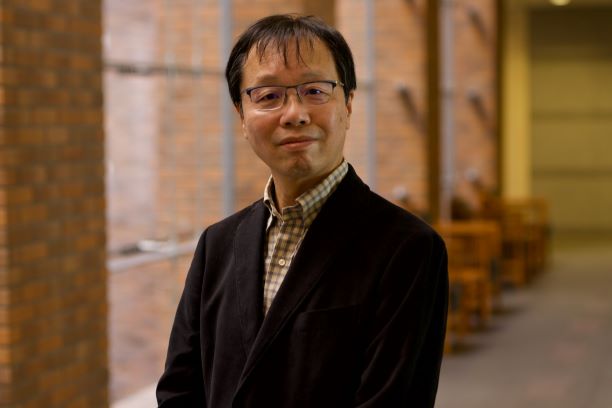
This edition of the newsletter features an interview with Professor Satoshi Soda (RARA Associate Fellow) from the Department of Civil and Environmental Engineering in the College of Science and Engineering. Prof. Soda also serves as the director of the Research Center for Lake BIWA & Environmental Innovation, Ritsumeikan University.
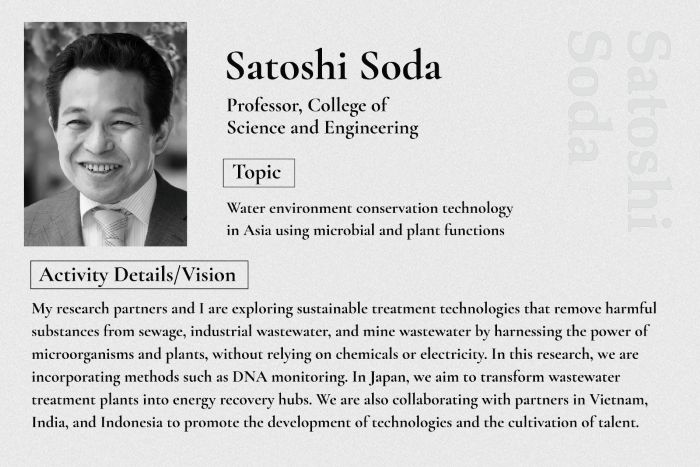
In rapidly developing Asian countries, water pollution caused by industrial wastewater and domestic sewage is becoming increasingly serious. In India, sewage treatment infrastructure has failed to keep pace with population growth, while in Indonesia, effluent from traditional dyeing practices has flowed into rivers to the extent that it visibly changes their color. In Vietnam, wastewater treatment associated with the expansion of the livestock industry has emerged as a major problem.
As a leading researcher in biological wastewater treatment using microorganisms and plants, Prof. Soda is tackling these issues head-on. Technologies that apply nature’s own purification mechanisms through engineering require neither chemical additives nor large amounts of electricity, and they offer the advantages of ease of maintenance and cost efficiency.
His work spans a wide range of activities. Working with partners in Vietnam, India, and Indonesia, he is engaged in the development of technologies through international joint research and promotes student exchanges and the cultivation of next-generation human resources. Meanwhile, in Japan, he is proposing new approaches to treating metal-contaminated wastewater from abandoned mines as well as re-envisioning the role of sewage treatment plants.
Prof. Soda traces the origins of his research career to his fascination with the idea of “engineering nature’s purification processes into practical systems.” We spoke with him about his research, which earnestly confronts global water environment issues by harnessing the power of microorganisms and plants, as well as his commitment to nurturing talent.
Nature’s “decomposers” and “producers” purify water
My research aims to remove and recover harmful organic substances and metals from sewage, industrial wastewater, and polluted water environments. The primary tools I use for this purpose are microorganisms and plants.
Microorganisms, which act as decomposers in natural ecosystems, can break down organic matter and remove it from water. The activated sludge process, widely used in wastewater treatment plants, is an application of the ability of aerobic microorganisms to decompose organic matter.
Plants, on the other hand, function as producers in nature, growing through photosynthesis. They absorb nutrients such as nitrogen and phosphorus, which are key contributors to eutrophication in lakes and wetlands, and convert them into biomass. This biomass can then be utilized as various types of resources.
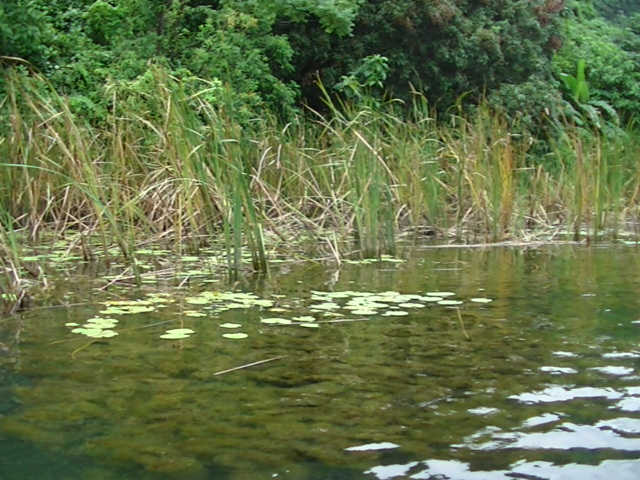
Natural wetlands at the Trang An World Heritage Site in Vietnam
Compared with physicochemical treatment methods, approaches using microorganisms and plants tend to act more slowly and are more difficult to control. However, because they are based on natural purification processes, they offer the major advantage of low energy consumption and minimal environmental impact. Chemical agents are consumed as they are used, but microorganisms and plants can proliferate under suitable conditions —sometimes to the point where overgrowth becomes a challenge in itself.
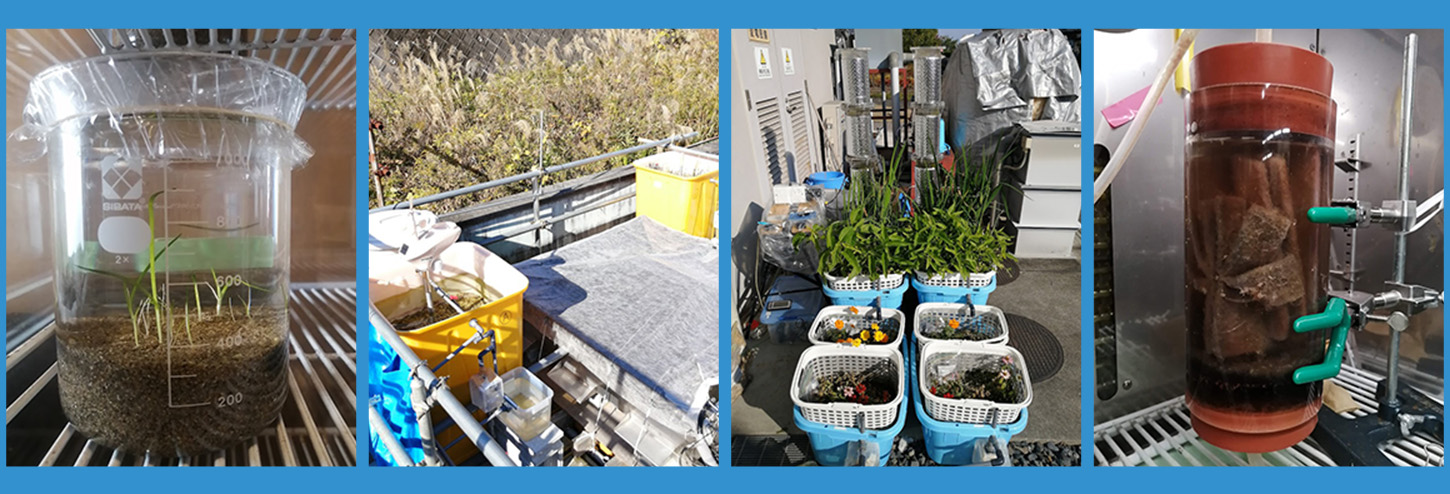
In my laboratory, we integrate the use of microorganisms and plants with bioreactors, DNA-based monitoring, and hydraulic models to advance research aimed at the conservation and restoration of sustainable water environments.
Growing up in a coastal town: A formative experience paved the way to water environment research
Why did I focus on approaches that harness the power of nature, rather than relying on chemical agents or machinery? The answer lies largely in my own formative experiences and in encounters I had during my time at university.
I grew up in Miura City in Kanagawa Prefecture, a rural town surrounded by the sea. It was a community sustained by both farming and fishing, and at the time, the sewer infrastructure was far from fully developed. I think that growing up in such a place naturally sparked my interest in water environments.
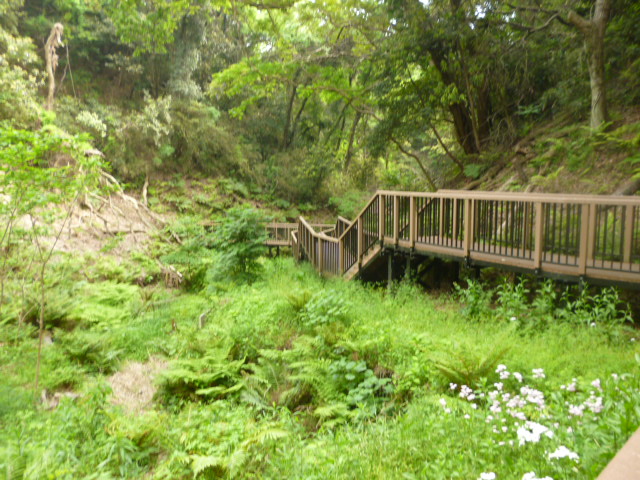
Koajiro Forest, Miura City
Until I entered university to major in environmental engineering, I had never even seen a wastewater treatment plant. I had vaguely assumed that adding chemicals makes water cleaner, but that assumption was overturned once I began learning about the field in my lectures. I was astonished to discover that the activated sludge process, which uses microorganisms—the decomposers of the natural world—is the global standard for water purification. When a professor explained it as “engineering nature’s own purification mechanisms into practical systems,” I found the notion profoundly beautiful.
Of course, this does not mean that other technologies are inferior. Still, simply cleaning water by applying chemicals or electricity felt somewhat like solving a problem with brute force. By contrast, the activated sludge process is a technology that harnesses natural principles in harmony with human life. In it, I sensed both sustainability and a kind of beauty.
An interdisciplinary perspective learned in an “eccentric” laboratory
Observing microorganisms under a microscope, extracting their genes, and analyzing what kinds of bacteria they were in actuality—that is, conducting research through hands-on experimentation—suited me very well. At the time, however, approaches that relied on microorganisms and plants were not necessarily mainstream within environmental engineering in engineering schools.
I think the laboratory I belonged to was pursuing research from a relatively progressive perspective for that era. We analyzed the genes of microorganisms involved in wastewater treatment and investigated what kinds of microbes lived around plant roots. There were moments when I wondered if we really needed to go to such lengths just to treat wastewater. But looking back now, 20 to 30 years later, I realize just how important that perspective was. I am deeply grateful to the professors who taught me this way of thinking.
In Japan’s science-track university entrance examinations, students are usually tested in one mathematics subject and one science subject, or at most two. Typically, students who go on to engineering schools only study physics, or physics and chemistry, before entering university. However, once I actually began studying environmental engineering, I realized that while physics and chemistry are essential, biology is also indispensable, and you also need to understand perspectives from economics and sociology. Environmental engineering requires knowledge and experience from a remarkably wide range of disciplines.
Biology in particular was a field I had barely studied in high school. Yet once I encountered it at university, I found microorganisms and plants to possess unexpected capabilities, and their depth and complexity were fascinating.
The “thought experiments” in graduate school taught me how fun research can be
A major turning point for me as a researcher came during my time as a master’s student in graduate school. I had been continuing experiments related to my undergraduate thesis, but at one point I found myself astray, unable to see a clear direction ahead for my research. My supervisor told me, “Why don’t you try doing your own thing for a while?” So, based on my own idea, I devised a plan to develop my research further and independently carried out some experiments on my own. In my fourth year as an undergraduate student, I had approached my research from a risk-assessment perspective, asking the question: “If genetically modified bacteria accidentally get mixed into activated sludge, do they proliferate or disappear over time?” In graduate school, I reversed that line of thinking and asked instead: “What would happen if we deliberately introduced genetically modified bacteria designed to enhance water purification functions into activated sludge?”
In theory, I believed it could work, and when I actually tried it, the data showed that water quality really did improve. When I reported the results to my supervisor, he was somewhat pleased, but he also scolded me. Of course, I took great care with safety management, given that I was handling genetically modified organisms, but from his perspective, there were also legitimate ethical concerns. Looking back, my experimental design itself was admittedly rather primitive.
Even so, the experience of finding research genuinely interesting, and of seeing an experiment I had conceived and carried out myself succeed, was deeply stimulating. This was the starting point of my life as a researcher.
Personnel exchange and joint research on wastewater treatment: International projects across Asia
At present, I am involved in several international joint research projects.
In the joint project with researchers in Vietnam, we have been strengthening ties with Vietnam Japan University. Given Vietnam’s thriving livestock industry, wastewater from pig farms has become a major issue. Our research focuses on introducing constructed wetlands as the final step in wastewater treatment.
Constructed wetlands are engineered systems that incorporate filter media and vegetation to purify wastewater. By simply allowing water to pass through the system, pollutants can be removed, so these wetlands are essentially an engineering-based reproduction of natural purification processes. In a joint research project with Taiyo Sangyo Co., Ltd. under the Shiga Prefecture Water Environment Business Overseas Expansion Commercialization Model Project, we were able to install a pilot-scale experimental facility in Bac Ninh Province, Vietnam, and collect on-site data up through last year. This year, we have expanded the project and are now engaged in joint research with Can Tho University in southern Vietnam, where we are working to contribute to local water environment conservation.
Meanwhile, in India, I have been engaged in joint research for five to six years with my partners at the Indian Institute of Technology Hyderabad (IIT Hyderabad). As the campus was developed with support from Japanese ODA, a Japan Desk was established within the university, resulting in very active academic exchange with Japanese counterparts.
On the research side, we have confirmed that illuminating LEDs on a wastewater treatment device called a biological trickling filter also allows algae to settle in the device and enhances organic matter and nitrogen removal performance. Furthermore, we have achieved results that improve the removal efficiency of household-related chemicals like detergents. Through this research, we successfully demonstrated increased diversity in microbial communities within the treatment system, including nitrifying bacteria involved in nitrogen removal. These findings earned us a Best Paper Award from the Society of Environmental Conservation Engineering.
We have also established a strong partnership in terms of education. Ten selected students from Ritsumeikan University, ranging from first-year undergraduate students in the College of Science and Engineering to graduate students, spend nine days in India during the summer vacation. They form mixed teams with eight students from IIT Hyderabad and engage in problem/project-based learning (PBL) focused on social issues in India, such as waste management, electricity, sanitation, and transportation. During their stay in India, the students also visit local industrial wastewater treatment facilities. There, they encounter treatment practices far more drastic than anything imaginable in Japan. Pitch-black water flows through the facility, violently agitated with air amid deafening noise, accompanied by overwhelming odors. With all five senses, they can experience just how dangerous the site is, leaving a lasting impression on them.
Conversely, during the winter vacation, students from IIT Hyderabad visit Ritsumeikan University, where the PBL program continues with one week of discussions and site visits. In the 2024 academic year, students toured a municipal waste incineration facility and a coastal landfill site in Osaka Bay. This program has been selected again this year for support under the Sakura Science Exchange Program administered by the Japan Science and Technology Agency (JST). The Sakura Science Exchange Program aims to invite outstanding young talent from around the world—individuals who will lead the next generation—to Japan for short-term stays, giving them opportunities to experience Japan’s cutting-edge science and technology as well as its culture. This is the fourth time I have been in charge of the program, and I intend to continue devoting my efforts to it in the years ahead.
Together with international students from Indonesia, we are conducting research on the treatment of wastewater generated in the production of batik (traditional wax-dyed cloth). Batik is a traditional industry that was inscribed on UNESCO’s Intangible Cultural Heritage list in 2009, but its manufacturing process produces large volumes of dye-laden wastewater. At many workshops, this wastewater is discharged directly into rivers without adequate treatment, creating a situation so severe that the river water changes color.
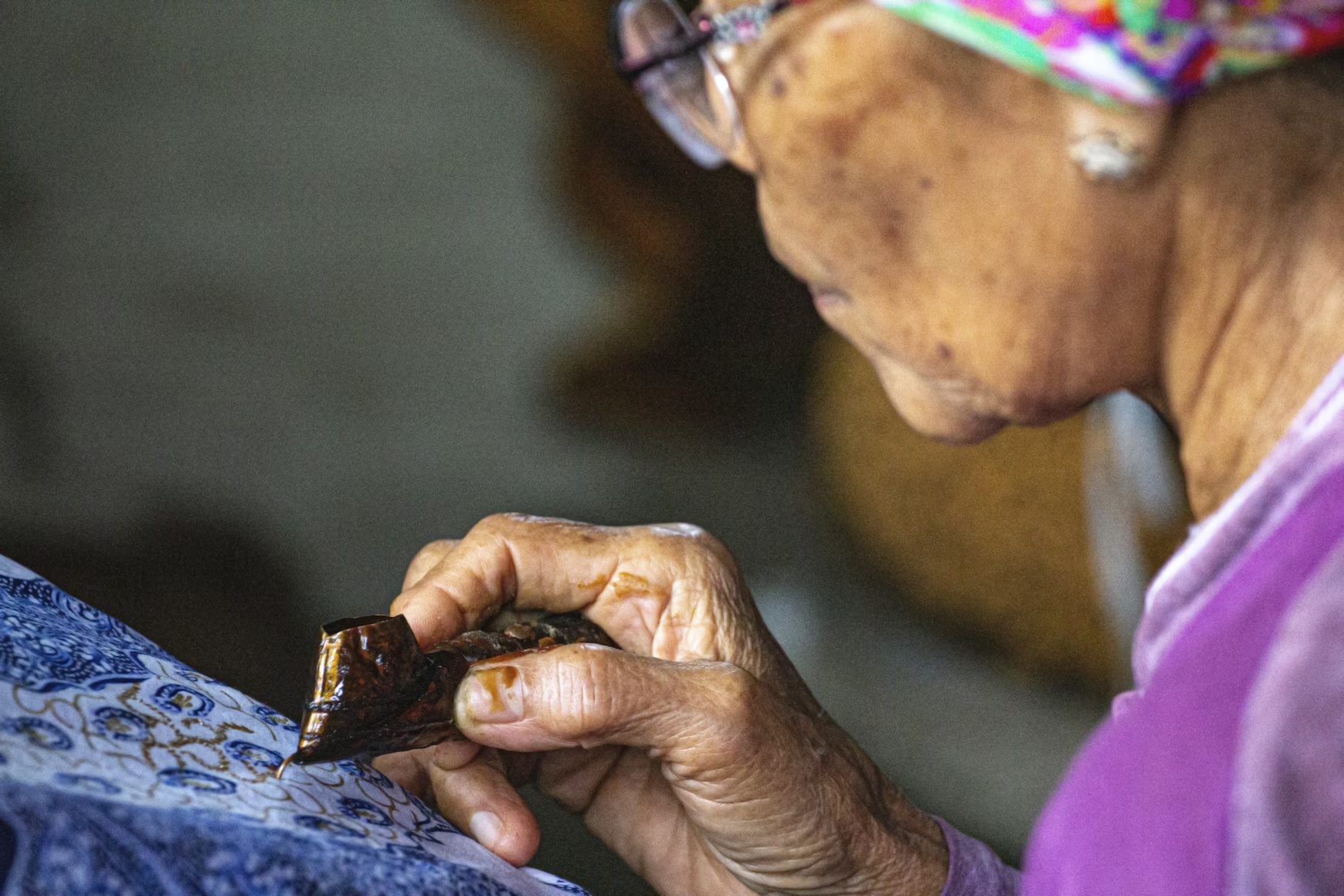
This research topic was originally proposed by an international student from Indonesia. We also conducted decolorization experiments using ozone oxidation, but the cost proved to be too high. As an alternative, we explored whether wastewater color could be removed using constructed wetlands. When we tested the approach with a small-scale system, we were able to confirm a certain level of decolorization. However, a more detailed analysis revealed that some of the colorless chemical substances remaining after decolorization exhibited higher toxicity than the original dyes. This made it clear that removing color alone is not sufficient; the wastewater must be treated until its toxicity is fully eliminated. Research to resolve this issue is ongoing, led primarily by an Indonesian doctoral student.
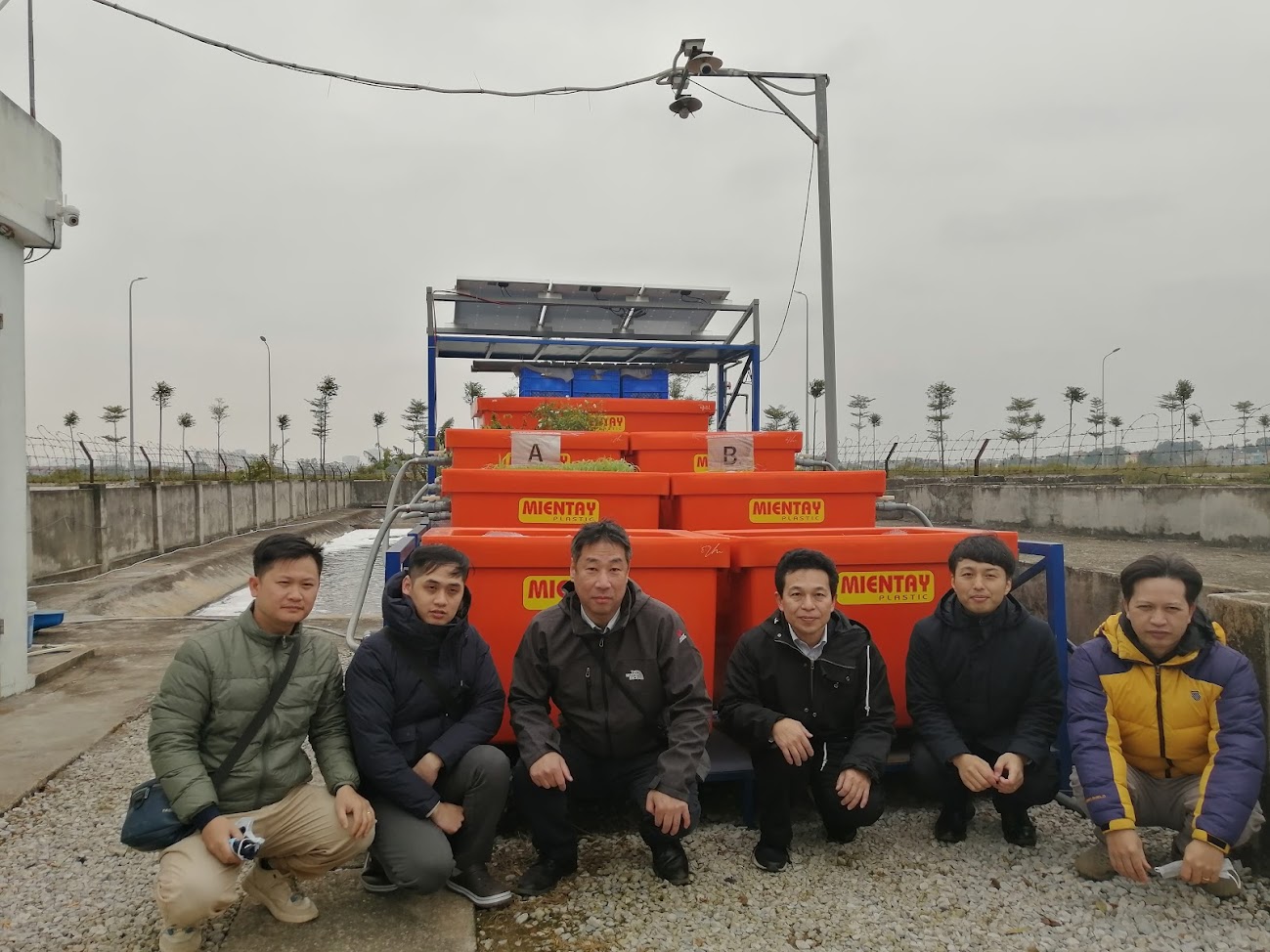
A wastewater treatment system installed in Bac Ninh Province, Vietnam, which combines a trickling filter with a constructed wetland
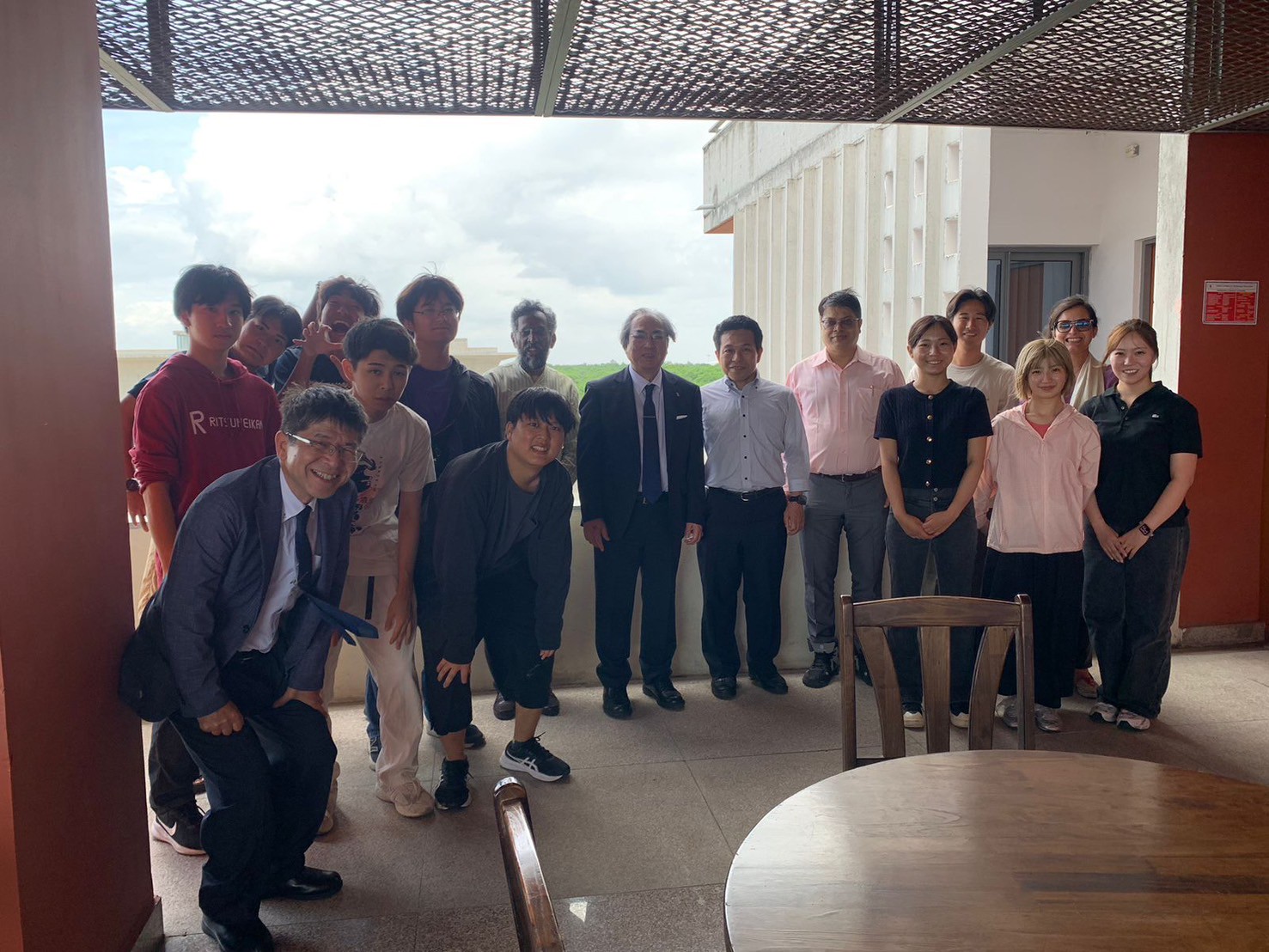
PBL Program at the Indian Institute of Technology Hyderabad (September 2025)
Shedding new light on mine wastewater treatment
As for my research in Japan, I am also engaged in a joint project with the Japan Organization for Metals and Energy Security.
There are thousands of mines all over Japan. At present, most of these sites are no longer in operation or have been abandoned for economic reasons, but once tunnels are excavated to extract metals, metal-laden water continues to seep out from them on a semi-permanent basis. As a result, wastewater treatment must be carried out not just for decades, but for hundreds of years.
The conventional approach would be to add chemical agents to remove the metals, convert them into sludge, and store the sludge elsewhere, but the cost of this treatment process is extremely high. For this reason, we are researching treatment technologies that use constructed wetlands, with the aim of minimizing the use of chemical agents and reducing electricity consumption as much as possible.
We are conducting research and implementing methods with the aim of removing metals while keeping costs low, such as placing shells in waterways, adding recycled glass waste, and laying filter media before planting wetland vegetation.
The optimal treatment method varies depending on the type of metal posing a problem at a given mine, whether it is zinc, cadmium, or a metalloid such as arsenic. By running water through constructed wetlands, we have come to understand that the plant and microbial species that can function effectively differ from site to site.
In the case of zinc and cadmium, plants not only absorb these metals through their roots, but microorganisms in the rhizosphere also produce sulfides, which precipitate and remove the metals. When it comes to arsenic, a more complex removal mechanism is at work. Microorganisms in the rhizosphere form iron oxides, which then adsorb arsenic, leading to its removal through a multi-step process. We have gradually been able to systematically identify which plants and microorganisms are effective, depending on the type of mine and the specific metal involved.
This research has been led primarily by a student from Vietnam who came to Ritsumeikan University to pursue a doctoral degree. The team built a small constructed wetland system and conducted experiments using actual mine wastewater to verify the zinc and cadmium removal efficiency. When we tested iris, a wetland plant that produces beautiful flowers but has rarely been used for this purpose, we unexpectedly observed high removal performance. A detailed analysis revealed that a diverse range of microorganisms inhabit the plant’s rhizosphere and contribute significantly to metal removal, and these findings were highly commended.
RARA frameworks allow early-career researchers to steadily advance to the next stage
Nguyen Thi Thuong, a graduate of Vietnam Japan University, was selected as a RARA Student Fellow while enrolled in the doctoral program at Ritsumeikan University. This fellowship provided her with an enriching research environment, enabling her to successfully obtain her degree. She subsequently advanced her career to become a Senior Researcher at Ritsumeikan Asia-Japan Research Organization, and there she is contributing to the development of networks with Vietnam. Her selection as a RARA Student Fellow was a springboard from which she was able to steadily advance her career and achieve consistent growth.
I also used my own RARA Associate Fellow budget to hire Dr. Kazuko Sawada as a Senior Researcher. With her strong analytical skills, she has contributed greatly to raising the quality of chemical-related research in my laboratory; she is a very reliable colleague.
She has also steadily broadened the scope of her own research, and this year she was selected for Ritsumeikan University’s Program to Support Female Researchers’ Career Path, taking a new step forward as a research faculty member.
Achieving the SDGs requires an interdisciplinary perspective that overcomes trade-offs
My research is closely connected to the SDGs. In particular, it is directly related to SDG 6 (Clean water and sanitation) and SDG 14 (Life below water), and it is also closely linked to SDG 13 (Climate action) and SDG 11 (Sustainable cities and communities).
However, these goals are not always fully compatible with one another. In some cases, pursuing a single goal too aggressively can hinder progress toward achieving another.
For example, even efforts to improve water quality using nature-based approaches that rely on microorganisms and plants inevitably involve some level of electricity consumption, which in turn leads to carbon dioxide emissions from power generation. Moreover, the use of microorganisms and plants can result not only in carbon dioxide emissions, but also, in some cases, the release of other greenhouse gases such as methane and nitrous oxide. In other words, there is a risk that the process of water purification itself may contribute to global warming. Measures taken supposedly to protect local water environments may have negative impacts on the global environment as a whole.
In addition, an excessive focus on improving water quality can lead to the overgrowth of microorganisms and plants, generating large amounts of biomass and potentially creating new waste problems. While the water may become cleaner, an additional burden of waste treatment can emerge. However, if this biomass can be effectively utilized as a carbon-neutral energy source, it may be possible to resolve the water, waste, and energy (i.e. global warming) challengesproblems simultaneously.
In this way, I find it important to view issues from numerous angles and seek balanced solutions. This is something I also stress to the students in my undergraduate classes. This approach requires thinking from interdisciplinary perspectives that go beyond the boundaries of engineering, including economic viewpoints, an understanding of trade-offs, and approaches such as life-cycle assessment (LCA). This kind of multifaceted learning and integration of ideas is essential for achieving a fundamental understanding of environmental issues.
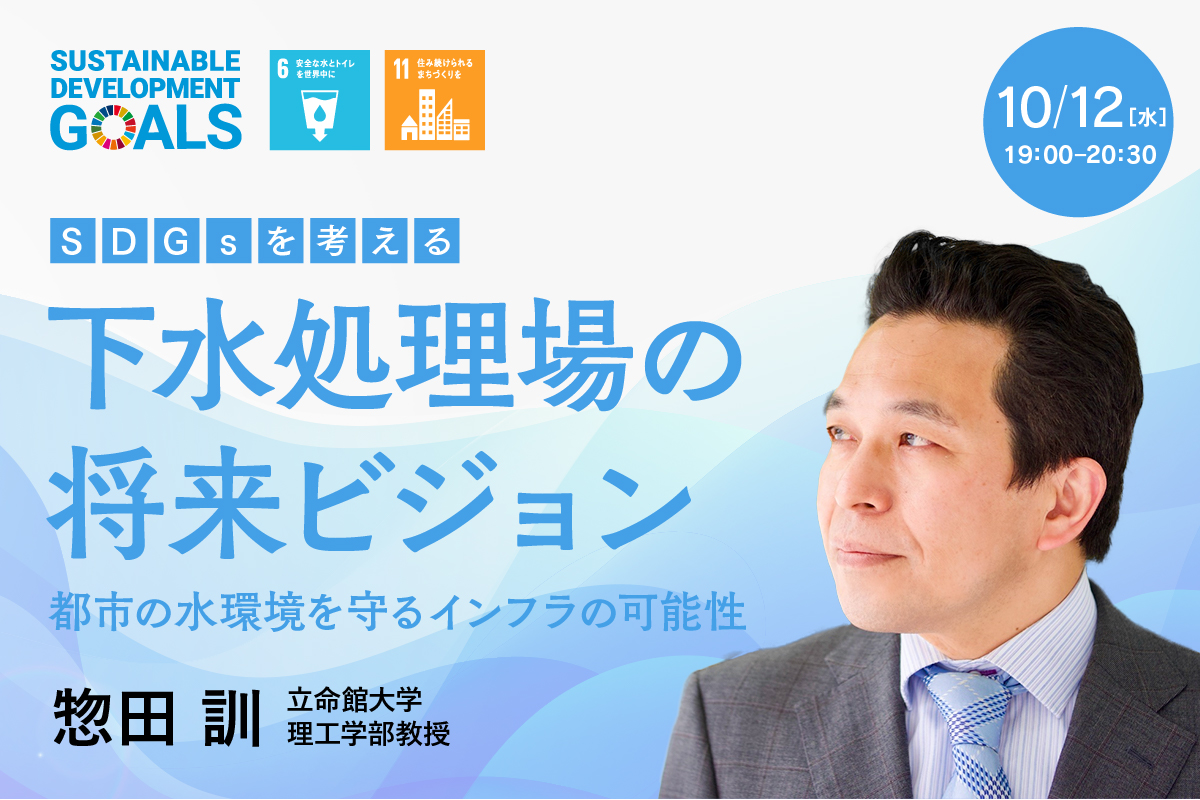
Figure: Online lecture delivered in 2022 via the Mirai Learning Platform
Deploying appropriate technologies for water issues overseas and realizing a mindset shift on domestic wastewater treatment
When considering future developments and my long-term vision, I find it useful to distinguish, for the sake of convenience, between research for international contexts and research focused on Japan.
In overseas research, I believe that deploying appropriate technologies is the ideal approach particularly in countries where water issues remain severe, such as Indonesia, India, and Vietnam, by adapting research findings developed by Japanese scholars have developed over the years to suit local conditions. Research that starts from a deep understanding of on-the-ground realities—asking questions such as “What problems are people facing right now?” and “What kind of research will make a meaningful contribution in five or ten years’ time?”—is something I find very meaningful. At the same time, I hope that students, as well as early-career and mid-career researchers, will grow into professionals who can play active roles on the global stage.
Turning to the situation in Japan, meanwhile, as population decline and aging continue to progress rapidly, wastewater treatment plants and waste processing facilities are also aging, and the time has come to rebuild our existing infrastructure. Rather than simply reconstructing facilities using conventional designs, we need to approach this challenge with new ideas. While centralization and efficiency improvements are important, they alone will not lead to truly sustainable systems. For example, there is a need to develop mechanisms that do not generate excess sludge during the wastewater treatment process as well as to reevaluate sewage sludge not as “waste,” but as an energy source. In other words, I believe that redefining wastewater treatment plants as “energy recovery stations” will be the key going forward.
While urban wastewater treatment facilities have made some progress in securing skilled engineers and recovering energy through biogas production, small and medium-sized cities face grave challenges including labor shortages and budget constraints. For this reason, there is an urgent need to develop new treatment systems tailored to local situations and to train personnel who can operate and maintain facilities with a minimal workforce. At present, I am conducting joint research with Swing Corporation and the Industrial Technology Center of Wakayama Prefecture to explore whether it is possible to create a wastewater treatment system that produces no excess sludge as waste from the outset by allowing aquatic worms to feed on bacteria in the sewage treatment process. We are also examining whether the aquatic worms that proliferate in these facilities could be utilized as a local resource, such as highly nutritious animal feed.
Connecting the university to the site and fostering the next generation of talent
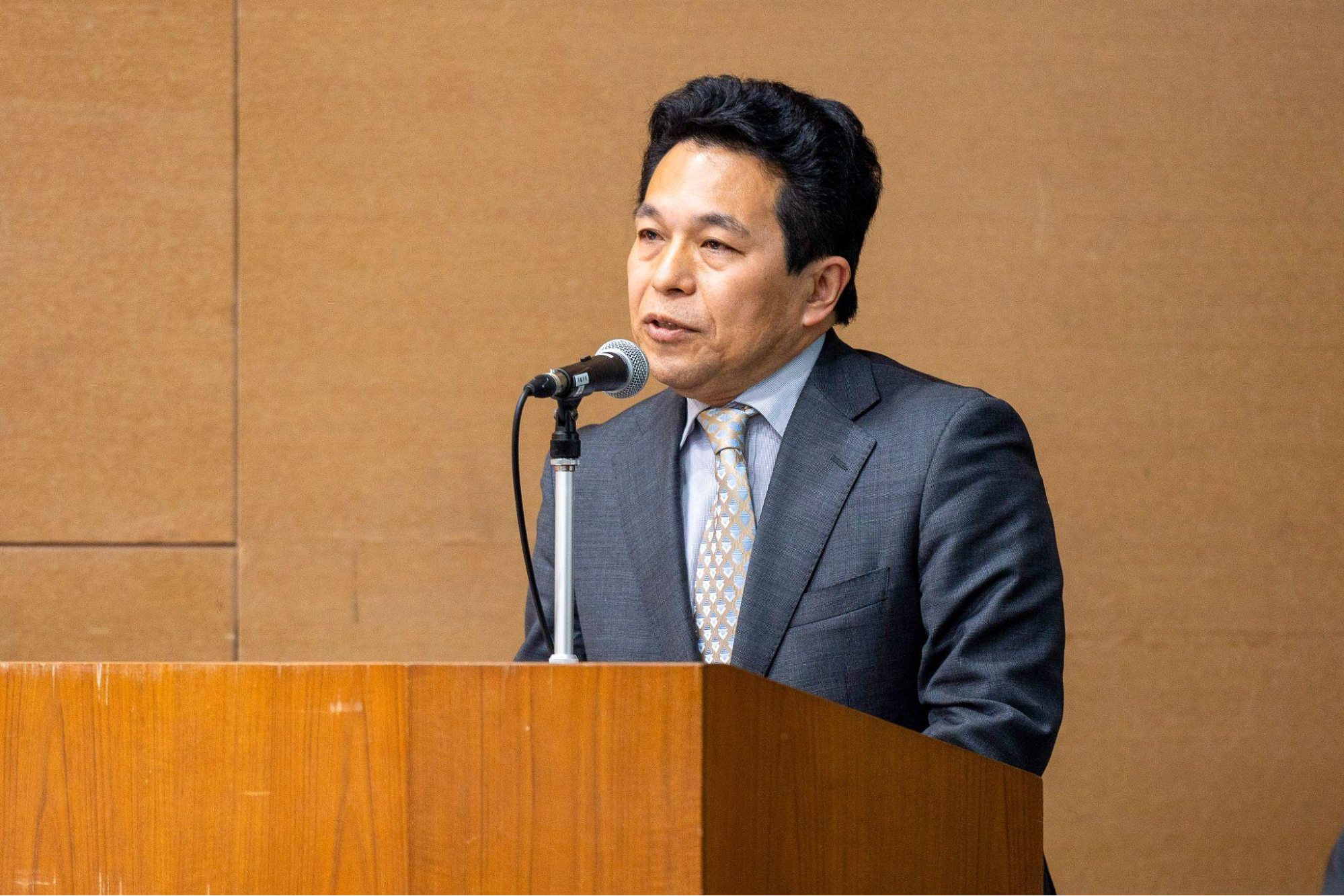
In education as well, I am promoting initiatives that work in close cooperation with on-site practice. There is an organization called the Gesuido Koho Platform (“Sewer System Public Relations Platform;” GKP) that runs the GKP Future Forum, which brings together stakeholders from diverse backgrounds, including local governments, plant manufacturers, media organizations, and other parties involved in various aspects of sewage systems. By sending experts to lecture at universities, the GKP Future Forum introduces real-world challenges and initiatives from the field. The “Water Treatment Engineering” course I teach has around 80 students enrolled each year, and about 20 young sewage engineers from the GKP Future Forum join my classes to engage in group work with the students. This provides the students with a valuable learning opportunity as they can discuss and exchange views directly with engineers working in the field.
Otsu City is also facing a shortage of personnel in the sewerage sector, and with the city’s cooperation, we are implementing an educational program in which students can visit wastewater treatment plants and water purification plants. In the previous and current academic years, we took approximately 20 students on site visits, where they had opportunities to learn directly from on-site staff about the latest technological developments, including the planned introduction of a new technology called a membrane bioreactor (MBR).
In this way, by linking university education with on-site practice, we are working to build a framework for fostering the next generation of environmental and water treatment engineers.
Learn from your failures and successes and move on to the next challenge
Finally, I will leave you with this message for students and early-career researchers.
As was the case for myself, failure occurs frequently in university-level research. However, beyond each failure, the possibility of experiencing success awaits. I hope you will learn a lot from both your failures and successes and then apply that to your next challenge.
When I was a graduate student and my research reached an impasse, I had the experience of performing a successful experiment after thinking things through on my own, making adjustments, and persevering through trial and error. That experience became an important turning point that led to my subsequent career as a researcher. I was also encouraged by the realization that environmental engineering—a field that integrates a wide range of disciplines such as physics, chemistry, biology, and economics—suited me well. In addition, the ability to improve local water environments and contribute directly to society has provided me with the motivation to continue my research.
Many unexpected reactions and capabilities remain latent within microorganisms and plants. By pursuing what I consider “beautiful technology”—that is, engineering nature’s own purification mechanisms into practical systems—I will continue my research, practical efforts, and human resources development activities to contribute, even in a small way, to solving water environment problems around the world.
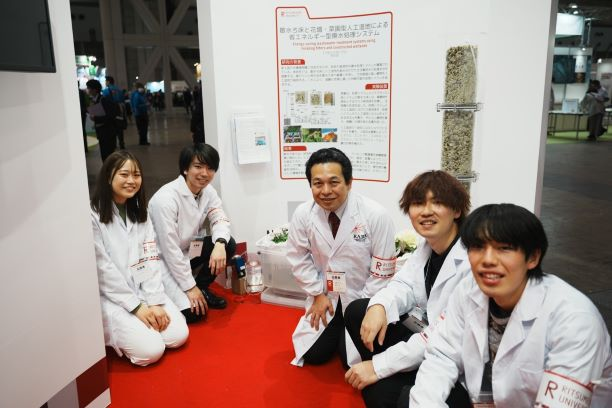
Wastewater treatment system combining a trickling filter and a constructed wetland (Ecopro 2023 (SDGs Week EXPO 2023))
RELATED NEWS
-
Satoshi Konishi
Professor Satoshi Konishi awarded the title of Lifetime Fellow of the International Association of Advanced Materials (IAAM)
2026 / 04 / 30
VIEW DETAIL
-
Satoshi Tanaka
Professor Satoshi Tanaka appointed Director of the Art Research Center at Ritsumeikan University
2026 / 04 / 01
VIEW DETAIL
-

Kota Suechika
Professor Kota Suechika’s research findings on “Area Studies 2.0” published in Third World Quarterly
2026 / 03 / 18
VIEW DETAIL